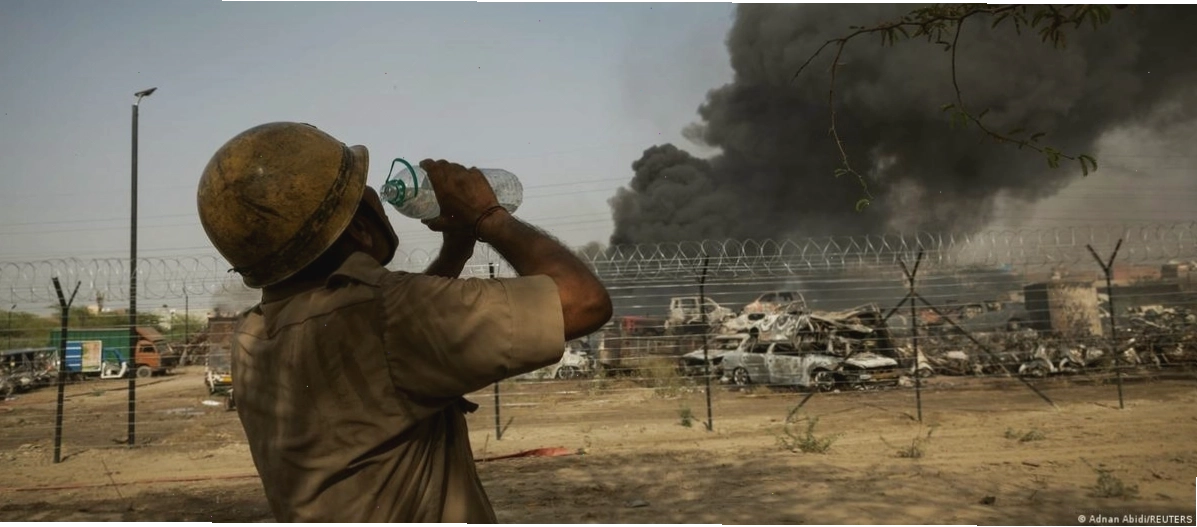
The ecological landscape of South Asia is undergoing a radical transformation, making the study of weather phenomena India more critical than ever for policymakers and citizens alike. As we move through 2026, the data from previous years reveals a startling pattern: extreme events are no longer anomalies but have become the new atmospheric standard. Recent reports indicate that India experienced extreme weather on nearly 99 per cent of the days in a single nine-month period, signaling a permanent shift in regional climate dynamics.
- Fatalities: 4,064 lives lost due to extreme weather events.
- Agricultural Impact: 9.47 million hectares of cropped area affected.
- Property Loss: Over 99,533 houses destroyed by floods and storms.
- Global Context: India accounts for 10% of global economic losses attributed to floods.
The unprecedented surge in widespread extreme rainfall events
Since 1950, widespread extreme rain events across central India have tripled, according to research led by the Indian Institute of Tropical Meteorology. These events are characterized by short, intense spells of heavy downpour that overwhelm natural drainage systems. What makes this trend particularly catastrophic is that it is occurring against a backdrop of declining total monsoon rainfall. This results in longer dry periods interrupted by sudden, violent flooding events that put millions of lives at risk.
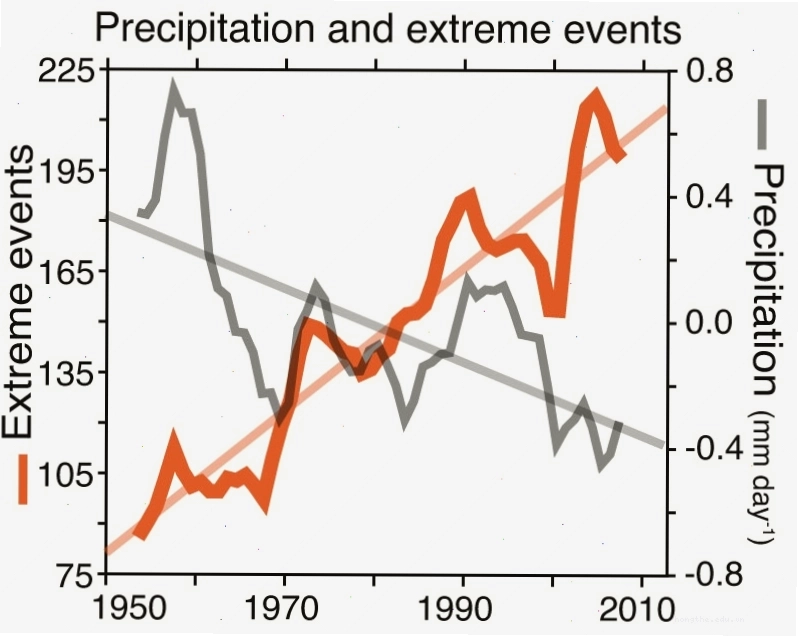
During the monsoon season, which remains the most devastating period for the subcontinent, states like Himachal Pradesh and Madhya Pradesh have recorded the highest frequencies of these disasters. The human toll has seen a 48 per cent increase over just four years, proving that traditional security questions regarding disaster management must now prioritize climate resilience as a core pillar of national safety.
Analyzing the human and economic toll of climate variability
The economic impact of these shifting weather patterns is staggering. Global losses from floods exceed $30 billion annually, with India alone losing approximately $3 billion per year. The following table highlights the comparative escalation of climate impacts over the recent four-year cycle:
| Impact Category | Historical Average (Ref) | 2025-2026 Data | Percentage Change |
|---|---|---|---|
| Lives Lost | 2,745 | 4,064 | +48% |
| Cropped Area Affected | 2.37 million ha | 9.47 million ha | +400% |
| Extreme Weather Days | 255 days | 270+ days | Significant Rise |
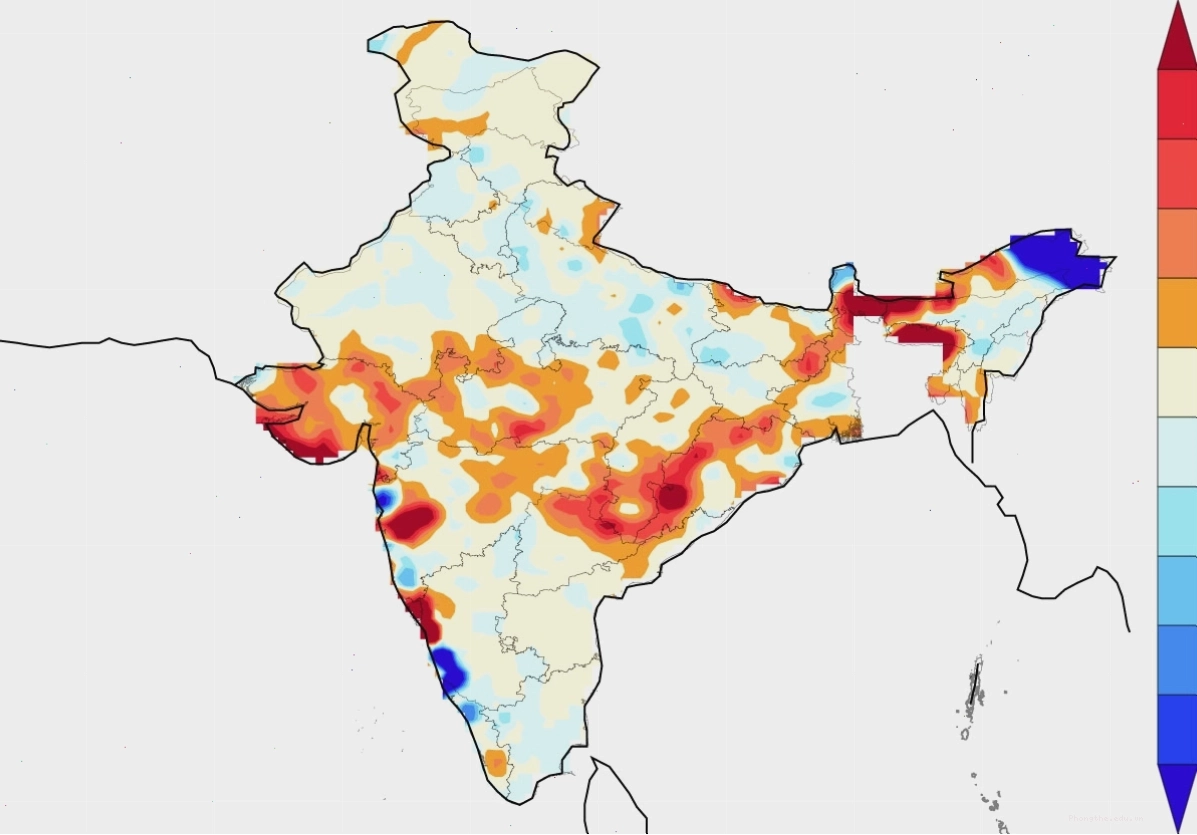
Scientific mechanisms behind moisture transport from the Arabian Sea
A central puzzle for meteorologists has been determining the source of moisture for these extreme rains, given that local moisture availability has decreased. Historically, low-pressure systems from the Bay of Bengal were the primary drivers. However, recent studies demonstrate that extra moisture is now being transported from the Arabian Sea. Increased warming in the northern Arabian Sea, driven by human-induced carbon emissions, has intensified the monsoon winds or westerlies.
These winds exhibit large fluctuations, driving surges of moisture that lead to extreme rain episodes across the central Indian belt. This shift explains why thunderstorms India and intense lightning have become more frequent even as the broader monsoon weakens. The increased variability of these winds creates a 'moisture highway' that feeds the clouds over regions like Maharashtra and Madhya Pradesh.

Broad spectrum of seasonal weather challenges in India
While rainfall dominates the headlines, other phenomena are equally disruptive. During the winter months, dense fog India frequently paralyzes transportation networks across the Indo-Gangetic plain, leading to significant logistical delays and safety hazards. Simultaneously, unseasonal hailstorms India have begun to devastate standing crops in states like Punjab and Haryana, further threatening food security.

To navigate these challenges, staying updated with a reliable weather india forecast is essential for both agricultural planning and daily commuting. The integration of thunderstorms India into seasonal patterns necessitates a shift toward more robust, localized early warning systems that can account for rapid atmospheric changes.
Strategic recommendations for climate adaptation
Understanding the nature of these changes is only the first step. To mitigate the risks associated with weather phenomena India, a multi-faceted approach is required. Communities must transition from reactive disaster management to proactive climate adaptation. This involves:
- Infrastructure Reinforcement: Designing urban drainage systems that can handle the three-fold increase in rain intensity.
- Agricultural Diversification: Planting climate-resilient crop varieties that can withstand both droughts and floods.
- Early Warning Systems: Utilizing AI and satellite data to provide real-time alerts for fog India and lightning strikes.
- Water Conservation: Implementing large-scale rainwater harvesting to bridge the gaps during longer dry periods.

In summary, the intensification of weather extremes in India is a clear call to action. As the Arabian Sea continues to warm and the monsoon winds fluctuate, the frequency of devastating events will likely persist. By embracing scientific insights and investing in sustainable infrastructure, we can navigate this era of climate instability. For the most accurate and timely updates on regional conditions, always consult professional sources for your weather india information.